Did you know
that branding is the most important in any business
But doing the halal way is another thing to think.
Creative thinking out of box is very crucial but how are you going to do in the halal way…Learn
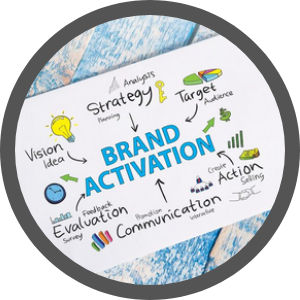
Halal Branding: A Summary
1. Core Definition: Beyond Food Certification
At its simplest, halal branding is the strategic process of building a brand identity around the promise that a product or service complies with Islamic law (Shariah). However, it has evolved far beyond a mere certification logo on food packaging.
Today, halal branding represents a holistic brand philosophy that integrates Islamic values into every aspect of the business—from sourcing and production to marketing, logistics, and corporate social responsibility. It’s about building trust, purity, and ethical consumption into the brand’s core.
2. The Evolution: From Niche to Mainstream
Halal branding has undergone a significant transformation:
- Phase 1: Compliance-Driven: Focused solely on obtaining halal certification for food products to access Muslim markets. The brand benefit was basic permission (halal means “permissible”).
- Phase 2: Quality and Trust-Driven: Consumers began to associate the halal label with higher standards of hygiene, safety, and quality control, appealing to Muslims and non-Muslims alike.
- Phase 3: Lifestyle-Driven: The concept expanded into non-food sectors, creating the halal lifestyle market. This includes:
- Halal Finance: Islamic banking and insurance (Takaful).
- Halal Travel: Muslim-friendly hotels, resorts, and travel services.
- Halal Cosmetics & Pharmaceuticals: Free from alcohol and animal-derived ingredients forbidden in Islam.
- Halal Media & Recreation: Content and entertainment that align with Islamic values.
- Phase 4: Value-Driven: The current frontier, where halal branding intertwines with broader ethical values like sustainability, animal welfare, fair trade, and social justice, resonating with a global, conscious consumer base.
3. Key Components of a Successful Halal Brand
A strong halal brand is built on several pillars:
- Halal Certification: The non-negotiable foundation. It must be from a recognized, credible authority to provide authenticity and eliminate consumer doubt (was-was).
- Toyyib (Wholesome/Good): This is the crucial differentiator. While halal refers to what is permissible, toyyib encompasses everything that is good, pure, healthy, safe, and ethically sourced. A successful brand promises both halal and toyyib.
- Trust and Transparency: The brand must be transparent about its supply chain, ingredients, and processes. Trust is the most valuable asset in halal branding.
- Islamic Values in Brand Identity: This can be reflected in ethical marketing, modest advertising, charitable initiatives (Zakat/Sadaqah), and fair treatment of employees.
- Emotional Connection: It connects with Muslim consumers on a deeper level, affirming their identity and making it easier for them to live their faith in a modern world.
4. Why Halal Branding is a Powerful Strategy
- Access to a Growing Market: The global Muslim population is young, growing, and has increasing purchasing power. The halal market is projected to be worth trillions of dollars.
- Competitive Advantage: In crowded markets, a trusted halal brand stands out and can command premium pricing and fierce customer loyalty.
- Brand Resilience: A reputation for integrity and quality, built on halal principles, can protect a brand during crises.
- Appeal to Non-Muslims: The values of halal—hygiene, safety, ethical sourcing, and quality—are universally attractive. Many non-Muslims seek out halal products for these very reasons.
5. Challenges in Halal Branding
- Fraud and Inconsistent Certification: Fake or unreliable certificates can damage consumer trust industry-wide.
- Complex Global Standards: Navigating different halal standards across countries can be a logistical hurdle.
- Balancing Religious and Commercial Values: Brands must authentically embody Islamic values without being perceived as exploiting religion for profit (“halal-washing”).
- Diverse Consumer Base: The Muslim community is not a monolith; brands must understand the nuances of different cultures, interpretations, and levels of religiosity.
Conclusion
Halal branding is no longer a niche tactical move but a mainstream global business strategy. It has shifted from a simple compliance label to a powerful brand promise centered on trust, quality, ethics, and a holistic lifestyle. For businesses, successfully implementing a halal branding strategy requires genuine commitment, deep cultural understanding, and unwavering transparency to capture the loyalty of one of the world’s most dynamic consumer markets.
What can you do at HalalSoci
Business Directory:
Muslim entrepreneurs can list their halal-certified services, attract clients, and collaborate globally.
Project Management Tools:
Securely manage teams, tasks, and workflows with built-in tools for businesses.
Job Marketplace:
Search or post jobs worldwide. Filter by location, industry, or keywords to find halal career opportunities.